Thinking about selling your Dacula home in the next 6–12 months? Pricing may feel like the biggest question mark. You want a strong number, but you also want to avoid long days on market or appraisal problems. In this guide, you’ll learn what a Comparative Market Analysis (CMA) is, how adjustments work, and which Dacula and Gwinnett factors influence your list price and timing. Let’s dive in.
What a CMA covers
A CMA is a market-based estimate of value prepared by your agent. It compares your home to recent sales, current listings, and pending deals in your immediate area. The goal is to set a realistic list price, forecast days on market, and align your prep and marketing plan with the market.
CMA vs. appraisal
A CMA is not an appraisal. An appraisal is performed by a licensed appraiser for lending or tax purposes and follows specific standards. A CMA is a pricing tool agents use to guide strategy, backed by local data and clear reasoning. The best CMAs explain how comps were chosen and how differences were adjusted.
How agents build your CMA
A solid CMA pulls together recent solds, current competition, and key market context so you can see how buyers will compare your home.
Data your agent reviews
- Recent sold comps, ideally from the last 3–6 months, with similar size, style, and location.
- Active and pending listings that show how your competition is priced today.
- Expired or withdrawn listings to see pricing levels that did not get traction.
- Market context like days on market trends, months of inventory, seasonality, and list-to-sale percentages.
- Supporting details such as photos, property records, tax history, school assignments, permits, and neighborhood maps.
Selecting and weighting comps
Your agent prioritizes sales from your subdivision or immediate trade area. The best matches get more weight, especially the most recent closed sales. Pending and active comps help interpret what buyers are seeing right now, and expired listings show where the market pushed back on price.
How adjustments work
No two homes are identical. Adjustments account for differences so you are comparing apples to apples. Common adjustment areas include:
- Size and layout: finished square footage and bedroom/bath count.
- Condition and upgrades: updates to kitchens and baths, major systems like roof and HVAC.
- Lot and setting: lot size, privacy, cul-de-sac position, topography, and usable yard space.
- Amenities: finished basement, pool, covered porches, extra garage spaces.
- Location within the neighborhood: interior street versus near a busy road, commute convenience, and assigned schools.
- Time and concessions: market shifts since a comp sold, plus any seller-paid costs or unique financing that influenced a closed price.
The most credible adjustments come from market evidence, such as paired-sale analysis where similar homes differ by just one feature. Your CMA should include a short note that explains the logic behind each meaningful adjustment.
Time adjustments and market context
If the best comp sold several months ago, time adjustments bring that price forward to today using recent appreciation or decline. Your agent will also consider absorption rate, list-to-sale percentages, and seasonality. This matters in Dacula, where spring often brings more buyers and shorter days on market, while winter can mean fewer showings and more price sensitivity.
Dacula pricing factors that matter
Real value is hyperlocal. In Dacula and eastern Gwinnett, small differences can meaningfully affect price and timing.
Neighborhood and HOAs
Many Dacula homes sit in planned subdivisions with homeowners associations. HOA amenities like pools and clubhouses can expand your buyer pool, while dues and rules influence carrying costs and appeal. Newer communities often pull higher price per square foot when amenities and finishes are consistent.
Schools and attendance zones
Specific school assignments often shape a buyer’s search area. When boundaries cross neighborhoods, agents usually separate comps by the assigned schools to reflect the micro-markets buyers focus on. The goal is to compare your home to properties buyers would consider true alternatives.
Commute and road access
Access to GA-316 and I-85 is a frequent decision driver. Homes that offer an easier commute to major job centers and services tend to see stronger demand. On the other hand, lots near busy roads or noisy intersections may face longer days on market.
New construction competition
Active new-home communities in and near Dacula can influence resale pricing. Builders may offer incentives, design center credits, or quick-move-in discounts that buyers weigh against resale homes. Your CMA should compare features and incentives so you can position your price and prep wisely.
Floodplain, permits, and due diligence
Flood zone status can affect insurance and buyer interest. Permit history matters for additions, finished basements, or pools. Unpermitted work can create appraisal or inspection issues. A thorough CMA process includes checking these items so there are fewer surprises later.
Taxes and carrying costs
Buyers look at the full monthly picture. Property taxes, HOA dues, and typical insurance costs all factor into affordability and demand. Clear, accurate disclosures help build trust and support your price.
Seasonality and local rhythm
Dacula, like many suburban markets, runs on a school-year calendar. Listing in spring can capture more family moves, while late fall and winter often bring fewer buyers. Your timing strategy should reflect how quickly you want to move and your appetite for price tradeoffs.
What a PSA-certified strategy looks like
A Pricing Strategy Advisor brings structure, documentation, and market psychology to your plan. Here is how that typically plays out.
- Data collection and verification
- Pull relevant sold, pending, active, and expired listings from the local MLS.
- Confirm parcel data, tax history, and permits.
- Verify home details and upgrades in person or through photos.
- Check school assignments and any flood map considerations.
- Select and weight comps
- Start in your neighborhood, then carefully expand to similar nearby areas if needed.
- Give more weight to recent, close matches.
- Apply market-based adjustments
- Use paired-sale logic to support adjustments for size, beds/baths, lot, and amenities.
- Time-adjust older comps based on recent local trends.
- Price ranges and strategy options
- Provide a recommended price point and a high/low band.
- Outline expected days on market, likelihood of multiple offers, and appraisal risk at each level.
- Communicate and document
- Deliver a written CMA packet with photos, comps, and adjustment notes.
- Explain likely appraised value and options like pre-listing inspection or appraisal.
- Monitor and revise
- After listing, watch showings, feedback, and new competing listings.
- Reposition as needed if market response differs from projections.
Your seller CMA checklist
Gather these items to sharpen your CMA and shorten the prep timeline:
- Recent utility bills and your latest property tax statement.
- List of upgrades and dates, plus warranties and receipts.
- HOA covenants, rules, dues, and contact info.
- Any permits, surveys, and floor plans.
- Notes on what you love about the home and neighborhood that buyers may not notice.
Pre-listing moves that support your price
Light, targeted prep can improve first impressions and reduce appraisal risk.
- Complete obvious repairs and touch up paint, especially high-traffic areas.
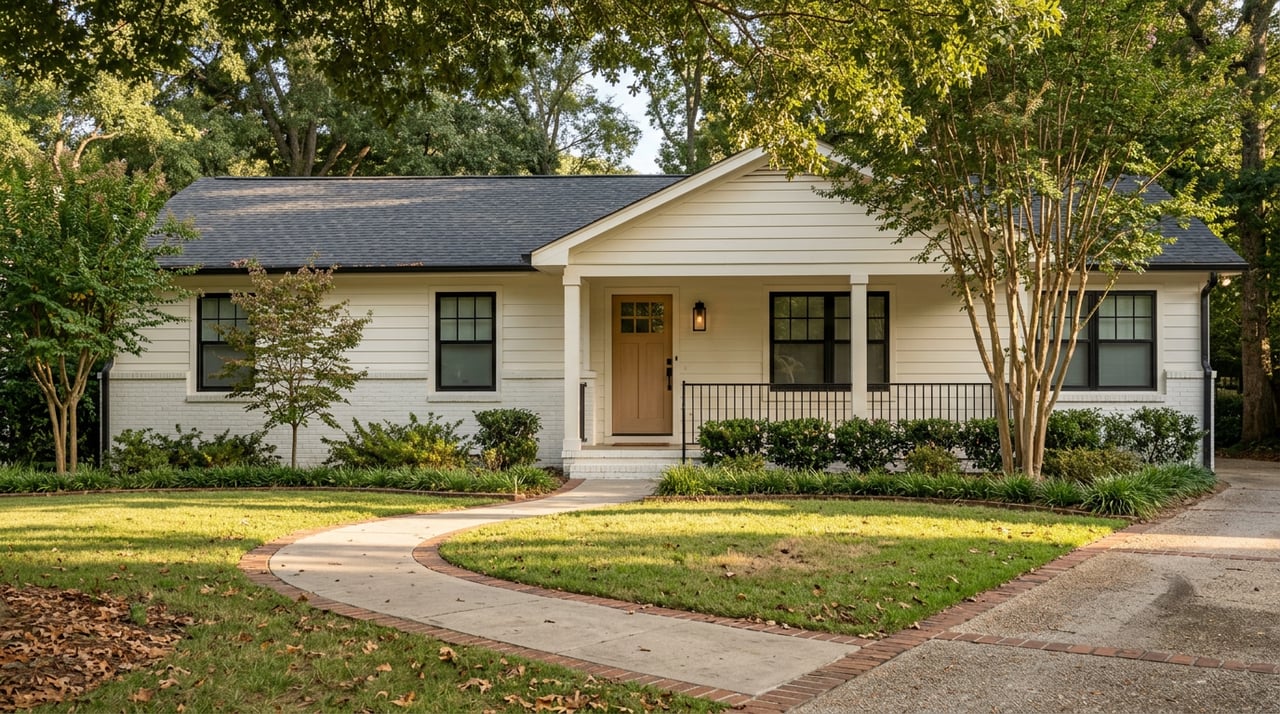
- Boost curb appeal with fresh mulch, trimmed shrubs, and a clean entry.
- Declutter, depersonalize, and consider light staging to highlight space and flow.
- Invest in professional photos and clear listing copy to showcase upgrades.
- Consider a pre-listing inspection or appraisal if your home is unique or if you want to minimize renegotiations.
Pricing strategy: pick your lane
The right list price depends on your timing, risk tolerance, and competition. Your CMA should lay out options and tradeoffs.
- Aggressive: price slightly below market to maximize showings and target a faster sale. May attract multiple offers when inventory is tight.
- Market-matching: price at the estimated market value to align with most buyer expectations and reduce appraisal risk.
- Premium: test a higher price to seek top dollar. This path carries a higher chance of longer days on market and price reductions.
How to read your CMA with confidence
Ask your agent to walk you through these key points:
- Why each comp was selected and how it compares to your home.
- The adjustment logic for square footage, baths, condition, lot, and amenities.
- How time adjustments were calculated and which market metrics were used.
- Predicted days on market and an absorption snapshot for your price range.
- A plan for price reductions tied to data, such as showings per week and buyer feedback.
Next steps
If you are planning a Dacula move in the next year, the smartest starting point is a data-backed CMA paired with a clear prep plan. You will know where your price lands, what to fix or refresh, and how to position your home against both resales and new construction. Ready to see your numbers and options? Let’s connect with Mano Sells Homes LLC to build a PSA-backed pricing strategy.
FAQs
How many comps should be in a CMA for Dacula?
- Aim for 3–6 recent sold comps as anchors, plus a similar number of active and pending listings for context. Quality and recency matter more than quantity.
How far from my home should comps be pulled?
- Start with your subdivision. If there are not enough sales, expand carefully to nearby areas with similar homes, often within a short drive when neighborhoods are comparable.
How are time adjustments calculated in a CMA?
- Your agent measures recent market movement and applies a pro-rated adjustment to older sales so those prices reflect current conditions.
Will pricing below market guarantee multiple offers in Dacula?
- Not always. Underpricing works best when demand is strong and inventory is tight. In slower periods, it may not produce the same result without strong marketing.
How close does my list price need to be to the appraised value?
- The closer your list price is to a market-supported value, the lower your appraisal risk. Pricing well above comparable sales often leads to appraisal shortfalls and renegotiations.