Dreaming about mornings by the water on Lake Lanier? It is easy to picture the view, the dock, and the weekends on the boat, but buying here involves more than choosing a home you love. If you are thinking about a Lake Lanier purchase, you need to understand how water access, dock rules, HOA details, and timing can shape both value and day-to-day use. Let’s dive in.
Lake Lanier Homes Are Not All the Same
One of the biggest mistakes buyers make is treating all Lake Lanier homes like they offer the same kind of lake lifestyle. They do not. On Lake Lanier, the difference between lakefront, lake access, lake view, and near-lake property can be significant in both price and experience.
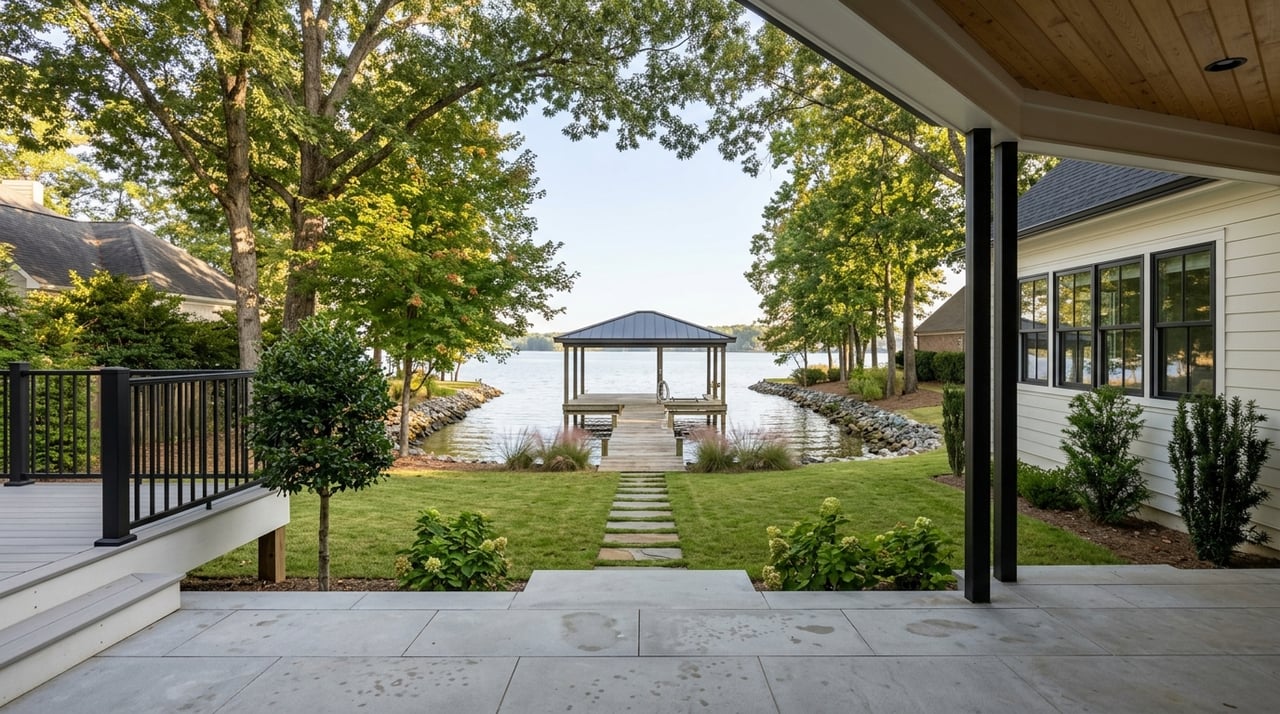
In simple terms, your first step is deciding what kind of access you actually want. A true waterfront home with a private dock offers a very different setup from a home in a neighborhood with shared lake access or a home that sits close to the lake without direct frontage. That access level is one of the clearest value drivers in the Lake Lanier market.
Lake Lanier itself spans more than 690 miles of shoreline and touches Dawson, Forsyth, Gwinnett, Hall, and Lumpkin counties. Because the lake is so large and crosses multiple counties, your search can quickly become more complex than a typical suburban home search. The house matters, of course, but so does the shoreline, the permit status, and the way access is structured.
Water Access Should Guide Your Search
Before you fall in love with finishes, views, or square footage, get clear on how you plan to use the lake. If you want to keep a boat nearby and head out easily, direct dock access may be a top priority. If you mainly want the setting and occasional lake use, a shared access setup may fit better.
A helpful way to think about your options is to break them into three common categories:
- Private dock homes: These usually offer the most direct access, but they also come with more permit questions and more upkeep.
- Shared or community access homes: These may include community docks or courtesy facilities tied to a neighborhood or association.
- Near-lake homes: These may offer proximity and lifestyle appeal without direct water rights or dock use.
That distinction matters because a listing may sound “lake-oriented” without actually giving you the use or control you expect. On Lake Lanier, access is not a small detail. It is part of the property’s value.
Dock Permits Matter More Than Many Buyers Realize
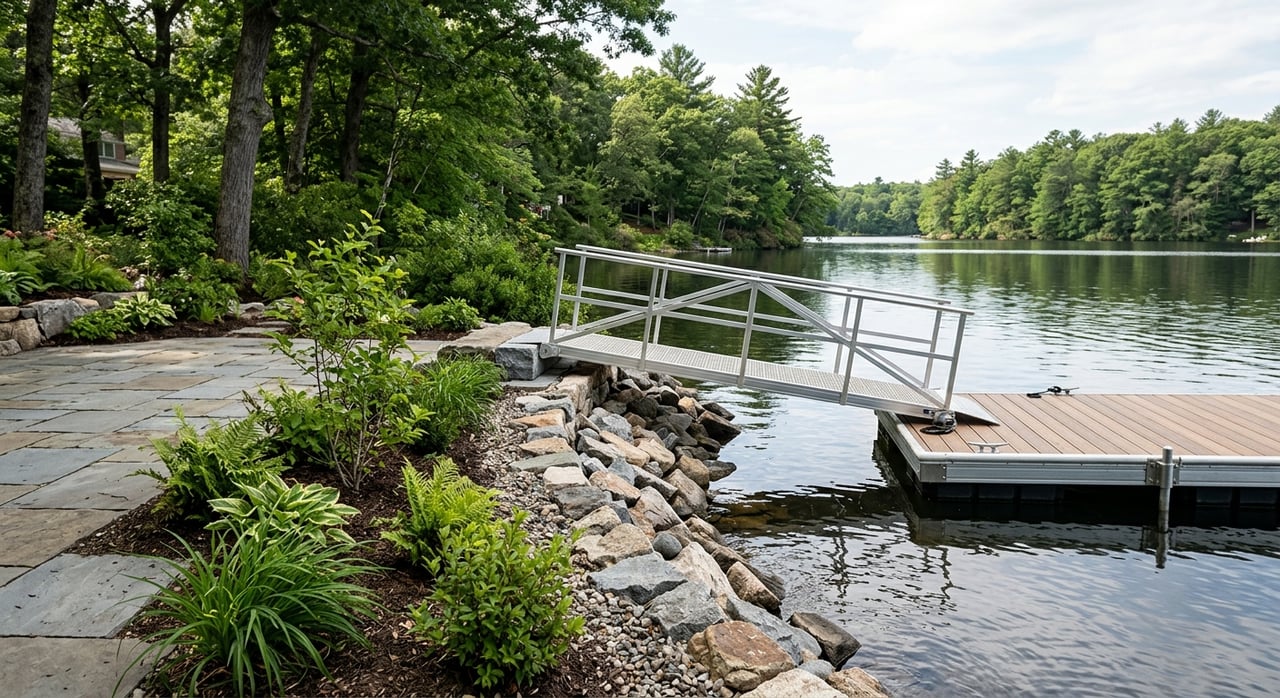
On Lake Lanier, the shoreline and waters are managed by the U.S. Army Corps of Engineers. That means a dock is not something you should assume works like a typical backyard structure. A dock permit does not create real estate rights, does not give private exclusive use of government property, and is nontransferable.
That last point is especially important during a sale. If a home has an existing dock, the question is not just whether the dock is there. The real question is whether the new owner can apply successfully for recognition of that facility through the Corps’ change-of-owner process.
The Corps says buyers of existing facilities may apply for a permit, and the packet can require items such as:
- Recorded deed
- Current plat or survey
- Dock drawings
- Site drawing
- Other requested documentation before inspection
The process is not instant. The Corps also notes that the number of permits that can be issued at one time is limited, and it warns that the review can be lengthy. For you as a buyer, that means dock due diligence should happen early, not after closing.
What to Verify Before You Buy a Dock Property
If you are buying a home with a private dock or any claimed shoreline use, slow down and verify the details. A beautiful dock setup can still come with paperwork issues, approval delays, or limits on future changes.
Focus on these key questions:
- Is there an existing permitted facility?
- What documents are available for the dock and shoreline area?
- Has the structure been modified properly?
- Will a change-of-owner application be required?
- Are there any pending issues that could delay your plans?
You should also know that the Corps says owners should not install or modify facilities or cut vegetation without contacting the office first. The shoreline remains public, and certain actions, such as clearing trees, planting non-native vegetation, or placing non-permitted items on public property, are prohibited without approval.
If a dock is being replaced, sold, or donated, paperwork still matters. Keeping accurate records can help avoid safety issues and enforcement problems later. In short, a dock is not just an amenity. It is a due diligence category of its own.
Community Docks and Shared Access Need Clarity
Some Lake Lanier homes are marketed around neighborhood lake access rather than individual dock rights. That can still be a great fit, but you need to understand exactly what you are buying. A community dock arrangement is different from owning a home with a private dock tied directly to the property.
Lake Lanier shoreline-management materials describe community docks and association-owned courtesy facilities as ways for subdivisions to share access. In practical terms, that means your lake experience may depend on neighborhood rules, availability, HOA structure, and shared-use expectations.
This is why it helps to separate three things clearly:
- What is deeded with the property
- What is controlled by the HOA or community
- What still depends on Corps approval
If those lines are blurry, ask for clarity before you move forward. Shared access can be valuable, but only when you understand the exact arrangement.
HOA Rules Can Affect Cost and Use
In many Lake Lanier neighborhoods, HOA details matter more than buyers expect. Some associations handle only common-area maintenance. Others may also be tied to roads, gates, dock access, or other shared amenities.
Because of that, dues can vary widely from one community to another. Georgia Consumer Ed notes that HOAs are governed by their founding documents, including bylaws and covenants, conditions, and restrictions. Those documents control issues such as dues increases and special assessments.
Before you buy, review:
- HOA governing documents
- Current dues
- Any available budgets or financial reports
- Rules tied to lake access or shared amenities
- Any notice of special assessments or unpaid balances
This review is not just about your monthly cost. Unpaid HOA or condo dues can become a lien on the property, and an association may be able to foreclose if assessments go unpaid. For a Lake Lanier purchase, that makes HOA review a core part of your risk check.
Lake Levels and Seasons Affect the Buying Experience
On Lake Lanier, seasonality is part of the search itself. Gwinnett County notes that the lake is full at 1,071 feet above sea level, and lake levels normally rise in winter and early spring and fall during the hot summer months. That means the time of year can change how a shoreline, dock, or view feels when you tour a property.
A home that looks perfect during one season may show differently during another. Water depth, dock usability, and shoreline appearance can all shift with conditions. If direct water use matters to you, it is smart to ask how the property performs across different lake levels, not just on the day of your showing.
Seasonality also affects the pace around the lake. Gwinnett County says Lake Lanier attracts about eight million visitors a year, so peak weekends can increase traffic around showings, dock activity, and scheduling. If you are buying in the busy spring or summer season, expect a more active environment.
The Timeline May Be Longer Than a Standard Purchase
A regular Georgia home purchase already has several moving parts. You get pre-approved, make an offer, submit earnest money, negotiate contingencies, complete inspections and appraisal, clear title, and move toward closing. Georgia Consumer Ed says most sellers want earnest money, the deposit is usually held by a third party until closing, and contracts on existing homes typically run about 30 to 90 days.
For Lake Lanier homes, there may be extra steps layered on top of that process. Dock permit questions, shoreline approvals, document collection, and inspections tied to the Corps can add time and complexity. If your lender is also working through a busy season, that can stretch things further.
Georgia’s Department of Community Affairs says lender compliance review can take at least 10 business days and may take longer during peak buying seasons like spring and summer. Buyers also receive a closing disclosure at least three days before closing. On a lake property, the smartest approach is to allow room in your timeline for both standard purchase steps and any shoreline-related review.
Title and Permit Checks Deserve Extra Attention
Clear title is required to close, and title issues can stop a transaction. That is true for any home, but on Lake Lanier, buyers should pay especially close attention to anything tied to shoreline use, access claims, or dock paperwork.
A house may be easy to evaluate from the street, but the lake-related value often depends on records behind the scenes. If the property’s appeal depends heavily on dock access or shoreline use, make sure those items are reviewed with the same care as the home inspection or appraisal.
This is where having a local guide matters. A Lake Lanier purchase is often as much about verifying access, permits, and shared-use details as it is about finding the right kitchen, floor plan, or lot.
A Smart Lake Lanier Buying Strategy
If you want to buy confidently on Lake Lanier, keep your search focused on the issues that affect both value and lifestyle. Start with the access level you actually want. Then verify how the dock, shoreline, HOA, and timeline pieces fit together before you get too far down the road.
A practical buying plan looks like this:
- Get pre-approved and define your budget.
- Decide whether you want private dock access, shared access, or near-lake proximity.
- Review each property’s lake-use setup before you assume features transfer with the home.
- Check HOA documents, dues, and any shared amenity rules.
- Build extra time into your contract and closing expectations if dock or shoreline review is involved.
When you take that approach, you protect yourself from surprises and put yourself in a better position to enjoy what drew you to Lake Lanier in the first place.
If you are thinking about buying on Lake Lanier and want local guidance that keeps both the lifestyle and the details in view, Mano Sells Homes LLC is here to help you make a confident move.
FAQs
What should you know about dock permits when buying a Lake Lanier home?
- A dock permit on Lake Lanier is nontransferable, does not create real estate rights, and may require a change-of-owner application with documents and inspection before the new owner is recognized.
How does water access affect value on Lake Lanier?
- Water access is one of the biggest value separators, with buyers usually comparing private dock homes, shared-access properties, and near-lake homes that do not have direct frontage.
Why do HOA documents matter for a Lake Lanier home purchase?
- HOA documents help you understand dues, special assessments, shared amenity rules, and whether unpaid amounts could become a lien on the property.
How can seasonality affect buying a home on Lake Lanier?
- Lake levels normally rise in winter and early spring and fall in hot summer months, so shoreline appearance, dock usability, and the overall showing experience can vary by season.
How long does it take to close on a Lake Lanier home in Georgia?
- Georgia contracts on existing homes typically run about 30 to 90 days, but a Lake Lanier purchase may take longer if lender review, title work, dock paperwork, or shoreline approvals add extra steps.