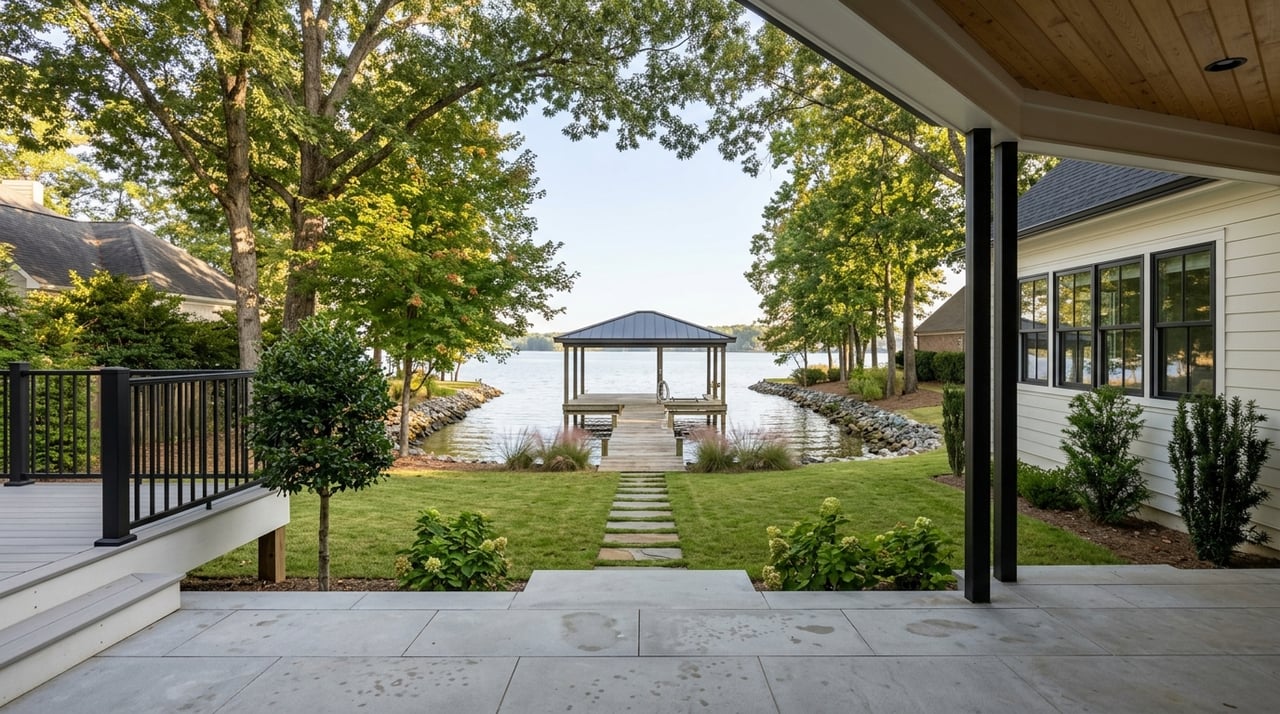
Summer buyers on Lake Lanier are not just shopping for a house. They are sizing up the dock, the shoreline, the views, and how easy the property feels to enjoy from day one. If you are planning to sell, that can feel like a lot to manage, especially when lakefront prep comes with rules that do not apply to a typical neighborhood listing. This guide will help you focus on what matters most before your home hits the market, from dock documents to photo timing to safe showing logistics. Let’s dive in.
Why Lake Lanier prep is different
A Lake Lanier listing asks buyers to evaluate more than the house itself. With more than 690 miles of shoreline, over 100 islands, 76 recreation areas, 10 marinas, and more than 11.8 million annual visitors, this is a highly visible recreational market where water access shapes buyer interest.
That is why your prep plan should include the dock, shoreline, deck, patio, and lake-facing views as part of the full presentation. On Lake Lanier, those elements help tell the lifestyle story buyers are looking for in summer.
Start with a land-and-water review
Before you schedule photos or showings, walk the property from the house to the water and evaluate it from the water side too if possible. The U.S. Army Corps of Engineers notes that lower rainfall can reduce reservoir levels and expose shoals, tree stumps, and old roadbeds.
That matters because buyers may notice things that are less obvious from the backyard alone. A property that looks polished from the patio can feel very different from the dock or from a boat approach if water levels are lower than expected.
What to check first
- The condition of the dock surface, rails, and access path
- The look of the shoreline from the house and from the water
- Any exposed hazards or unattractive areas near the waterline
- The condition of outdoor living spaces facing the lake
- Whether lake views are clear, accurate, and ready for photos
A simple review early in the process helps you avoid surprises right before launch. It also gives you time to separate basic cleanup from work that may require approval.
Clean up the dock and shoreline carefully
On Lake Lanier, cleanup and improvement are not the same thing. The Corps states that any work or installation on public property must be approved before work begins, and it prohibits activities like clearing trees or understory vegetation, placing unpermitted items, and grading or other land-disturbing activity on shoreline property.
That means last-minute shoreline projects can create problems if they cross the line from tidying up to altering public property. If you are unsure, it is smart to pause and verify what is allowed before making changes.
Focus on safety and presentation
The Corps describes abandoned docks as public hazards that can include loose boards, jagged metal, and exposed nails and screws. For sellers, the takeaway is straightforward: obvious deterioration, clutter, and anything that makes the dock feel unsafe or neglected should be addressed before buyers arrive.
Your goal is not to overbuild or overdecorate. Your goal is to make the area feel clean, functional, and well cared for.
Prioritize these visible fixes
- Remove clutter from the dock and shoreline access area
- Repair loose boards or visibly unsafe dock features
- Clear away items that distract from the water view
- Tidy deck and patio furniture so outdoor spaces photograph well
- Make the path to the water feel clean and easy to follow
If an outdoor area looks usable, buyers can picture themselves enjoying it. That mental picture matters in a summer market.
Gather dock paperwork before listing
If your dock is part of the home’s value, paperwork should be part of your prep plan. On Lake Lanier, the Corps says permits and licenses are nontransferable and do not grant real estate rights or exclusive use rights on government property.
In other words, the dock permit does not automatically pass to the buyer at closing. A new owner must go through the change-of-owner process.
Documents worth organizing early
The Corps indicates that new owners of existing facilities may need:
- The recorded deed
- A survey or plat
- A dock drawing
- A site drawing
- Any required electrical certification
Having these materials organized before your home goes live can make your listing feel more complete and reduce stress later in the transaction. It also helps set clear expectations for buyers who may not understand how Lake Lanier dock rights work.
Treat staging and photography like launch strategy
Photos are not a finishing touch. They are part of the initial sales strategy. According to the National Association of Realtors 2025 staging report, 83% of buyers’ agents said staging makes it easier for a buyer to visualize the property as a future home.
That matters even more online, where buyers often decide in seconds whether to click or scroll past. NAR reports that 52% of buyers found the home they purchased online, and 81% said listing photos were the most useful feature in their search process.
Why the first days matter
NAR’s visibility guidance says the first few days after a listing goes live matter disproportionately. That means your dock, lake views, patio, deck, and main living spaces should be ready before the home hits the market, not updated after the listing is already live.
For a Lake Lanier home, summer buyers want a clear, honest picture of how the property lives both indoors and outdoors. If those spaces are photo-ready at launch, your listing has a better chance of earning attention and showings right away.
Stage the spaces buyers notice most
NAR found that the most commonly staged rooms were:
- Living room
- Primary bedroom
- Dining room
For a lakefront home, you should also think beyond those rooms. The outdoor areas often carry just as much emotional weight in the buyer’s decision.
Focus your staging on these areas
- Living room with sightlines to outdoor spaces
- Primary bedroom with clean, calm presentation
- Dining area with simple, open styling
- Deck or patio arranged for conversation or dining
- Dock area that looks clean, safe, and usable
- Lake-facing views free from unnecessary distractions
Keep the styling simple and realistic. Buyers should see a polished version of the home, not a version that feels overly edited or hard to maintain.
Keep listing photos honest
Strong photos should help your home stand out, but they should still present a true picture. NAR warns against misleading images and advises that marketing should not misrepresent the property.
For a Lake Lanier listing, that means avoiding edits that change the water view, hide shoreline conditions, or make outdoor spaces look larger or newer than they are. Clean, bright, accurate photos build more trust than dramatic images that disappoint buyers during a showing.
Plan safer summer showings
A summer buyer tour on Lake Lanier may involve more than unlocking the front door. If buyers will view the dock, walk to the shoreline, or access the property by boat, showing logistics need extra planning.
The Corps’ water safety guidance recommends wearing a life jacket, checking required safety equipment, checking the weather, filing a float plan, and following navigation rules. If your property is on the river side near Buford Dam, life jackets are mandatory in the three-mile river section between Buford Dam and the GA 20 bridge, and visitors should monitor 1610 AM for water-release messages and schedules.
Practical showing tips for sellers
- Confirm current weather and water conditions before dock or boat access
- Make sure paths and dock surfaces are as safe and clear as possible
- Avoid scheduling around unusually heavy lake traffic when possible
- Verify whether any recreation area restrictions or closures could affect access
- Coordinate all water-related access with your agent in advance
The Corps also advises visitors to check the operational status of Corps-managed recreation areas for restrictions or safety alerts before visiting. That can matter if a nearby ramp, access point, or recreation area affects how buyers experience the property.
Keep showings family-safe and well managed
If your showing plan includes dock access or time on the water, keep the environment simple and safety-focused. Georgia DNR states that boating under the influence is illegal on Georgia waters and applies to boats, sailboats, personal watercraft, waterskis, and similar devices.
For sellers, the easiest rule is to avoid alcohol-centered gatherings tied to showings or tours. A calm, well-managed showing helps buyers focus on the property and reduces unnecessary risk.
You may also want tighter control over privacy during showings. NAR’s consumer guidance notes that sellers can work with their agent to manage access and request a No Photography note in the MLS plus in-home signage to discourage unapproved photos or video during showings.
Build a stronger summer launch
When you are selling on Lake Lanier, presentation is about more than curb appeal. Buyers are evaluating the full experience of the property, from the first online photo to the condition of the dock to the clarity of the shoreline paperwork.
A strong launch usually comes down to a few smart moves: clean and safe outdoor spaces, organized dock documents, accurate marketing, and well-planned showings. When those pieces come together before listing day, your home is better positioned to make a strong first impression during the busiest season for lake lifestyle shopping.
If you are thinking about selling your Lake Lanier home and want a local strategy that covers the house, the dock, and the full buyer experience, Mano Sells Homes LLC can help you plan a polished, confident launch.
FAQs
Do Lake Lanier dock permits transfer automatically with a home sale?
- No. The U.S. Army Corps of Engineers says permits and licenses are nontransferable, so the buyer must go through the change-of-owner process.
Can you trim shoreline vegetation before listing a Lake Lanier home?
- Not if the work requires unauthorized changes on public property. The Corps says some shoreline clearing, installations, and land-disturbing activities require approval or are prohibited.
When should photos be taken for a Lake Lanier listing?
- After the dock, outdoor living areas, and lake-facing views are cleaned and staged, because photos are highly important in online home searches and the first days on market matter most.
What should sellers prepare for Lake Lanier dock paperwork?
- Gather key documents early, which may include the recorded deed, survey or plat, dock drawing, site drawing, and any required electrical certification.
How should you handle water access during Lake Lanier showings?
- Check safety conditions, weather, access status, and any relevant water-release rules first, then coordinate dock or boat access carefully with your agent.
Should Lake Lanier listing photos show the property exactly as it is?
- Yes. Marketing photos should present a true picture and should not misrepresent the water view, shoreline condition, or outdoor spaces.